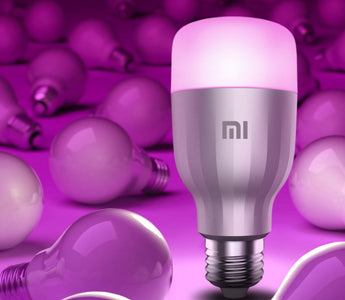
A smart bulb uses energy to produce light and may also use a smaller amount to keep its electronics connected when the light is off. Compare the exact bulb and your operating pattern, not the word “smart” alone.
Separate the operating states
The rated lighting power describes a particular operating condition; it is not automatically the standby power. Brightness, colour mode and control electronics can affect consumption. Switching the light off in an app can leave the bulb powered for future commands, while cutting mains power prevents that connected operation.
Estimate energy rather than guessing
Energy in kilowatt-hours is power in watts divided by 1000, multiplied by time in hours. Consider the lighting state and the standby state separately, using specifications for the exact variant. A high advertised maximum does not tell you how long you will run the lamp at that setting, and a small standby figure is not the same as zero.
Compare equivalent lighting tasks
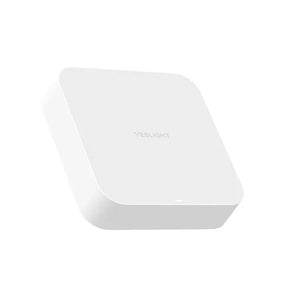
Compare products at a useful light output, not merely at the same wattage. Scheduling can reduce unnecessary running time, but savings depend on the previous setup and how the new controls are used. Do not assume a fixed saving, or add a gateway’s energy use to a bulb specification without accounting for that device separately.
Related choices and guides
Frequently asked questions
Does app-off always mean zero electricity use?
No. A connected bulb may retain standby consumption while waiting for a command.
Will every smart bulb use less energy than every ordinary bulb?
No. Compare technology, useful light output, operating hours and standby needs for the exact products.