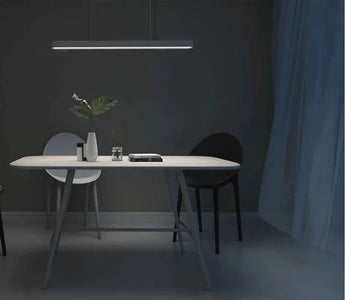
Luminance is a measurable, directional property of light from a surface, expressed in candela per square metre. It is not simply a person’s opinion that a room looks bright. The viewing direction and the area being measured are part of its definition.
Start with the surface and direction
CIE defines luminance in relation to luminous intensity and projected area in a specified direction. The surface may emit light or reflect it. A measurement therefore needs more information than a lamp’s total output: identify which part of the surface is being viewed and from where.
Why the seated view matters
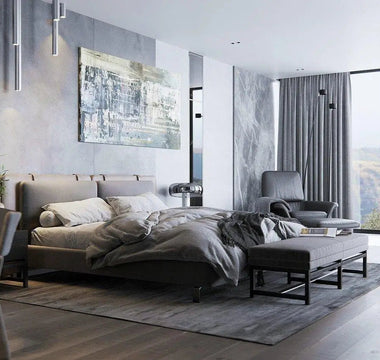
A room can contain a display, a glossy table and a bright visible lamp. Their light in your viewing direction is not described by a single total-lumen figure for the room. As a practical check, inspect each usual seat for an exposed source or reflection rather than judging the arrangement only while standing in the doorway.
Do not substitute a different quantity
| Information | Question it helps answer |
|---|---|
| Luminance | What is the directional light level of this surface? |
| Illuminance | How much light reaches a surface per unit area? |
| Lamp lumens | What is the light source’s total luminous output? |
Record the measurement method
A lux-only reading is not a luminance reading. Likewise, a phone photograph or automatic camera exposure does not establish a calibrated surface measurement. For a lighting assessment, record the surface, position, direction and instrument method. Use an appropriately scoped professional assessment when numerical limits or formal compliance matter.