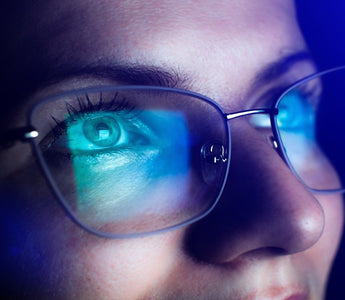
Many people with lighter eye colours, such as blue or green, say bright light bothers them more. Eye colour comes from pigment in the iris, and it is commonly suggested that less pigment lets more stray light through. Sensitivity varies a lot from person to person, so this article does not diagnose anything. If light sensitivity is new, painful or getting worse, see an eye-care professional.
Lighting choices that reduce discomfort
- Avoid bare, bright sources in your line of sight. Shaded or indirect light is gentler. See what is glare.
- Use dimmable lamps so you can lower brightness instead of switching off.
- Choose warmer white in the evening, around 2700K–3000K.
- Light the task, not the room at full brightness. A monitor light bar lights the desk without shining into your eyes.
Products with adjustable brightness
- Pura Pro: smooth dimming, 3000K–6500K and an auto-brightness sensor.
- Star Pro table lamp: 40–400 lm range at 4000K and 2700K–6500K.
- D2 table lamp: dimmable tunable white.
- Rechargeable Motion Sensor Night Light: 3.5 lm sensor mode for night-time movement.
Outdoors
Saudi sunlight is intense. Sunglasses that meet recognised standards and a hat help many people; an eye-care professional can advise you on what suits your eyes.
Frequently asked questions
Are people with blue eyes more sensitive to light?
Many people with lighter eyes report more sensitivity, and lower iris pigment is a common explanation, but it varies by person. An eye-care professional can assess your eyes.
What lighting is best for light-sensitive eyes at home?
Dimmable, shaded or indirect light, warmer white in the evening, and task lighting that does not shine into your eyes.