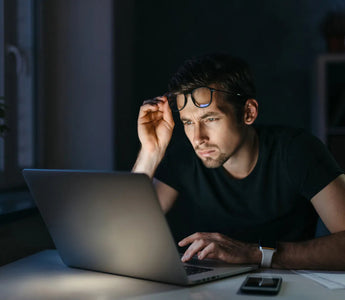
Blue light is part of ordinary visible light, including daylight, white LEDs and screens. The concern people usually mean is light late in the evening. This article covers what is known and the lighting habits you can control. It is not medical advice.
What a European review said
The EU scientific committee SCHEER found no evidence of direct adverse health effects from LEDs in normal use for the general healthy population, but noted some evidence that late-evening light, including from screens, may affect the circadian rhythm, without clear evidence yet of health effects. It also noted that children are more sensitive to blue light. See the European Commission summary.
Evening lighting habits
- Switch adjustable lamps to warm white after sunset. Star Pro adjusts from 2700K to 6500K.
- Lower screen brightness to match the room instead of using a bright screen in a dark room.
- Light the desk with a monitor light bar set to warm 3000K, such as Pura Pro or Pura Lite.
- Use a low warm night light instead of the main light for night-time movement.
Daytime habits
- Work near daylight where possible, with the screen side-on to windows to avoid glare.
- Use cooler white for daytime desk work if you prefer it.
- Take regular screen breaks.
Related reading: are LED lights bad for your eyes and computer eye strain: lighting and desk habits.
Frequently asked questions
Do blue light glasses or filters work?
We do not make claims about them. For personal eye advice, ask an eye-care professional.
Which colour temperature is best in the evening?
Many people prefer warm white, around 2700K–3000K, in the evening.